
Knurled Cabinet Knobs
-
Henley Knurled Solid Brass Cabinet Knob
Regular price From £15.95Regular price -
Knurled Solid Brass T Bar Cabinet Knobs
Regular price £8.75Regular price -
Knurled Solid Brass Cabinet Knobs
Regular price £10.25Regular price -
Berlin Knurled Cabinet Door Knob - 38mm
Regular price £11.75Regular price -
Lucia Knurled Cabinet Knob
Regular price From £9.95Regular price -
Crispin Knurled T Bar Cabinet Knob
Regular price From £8.95Regular price -
Hanover Knurled Cabinet Knobs
Regular price From £5.35Regular price


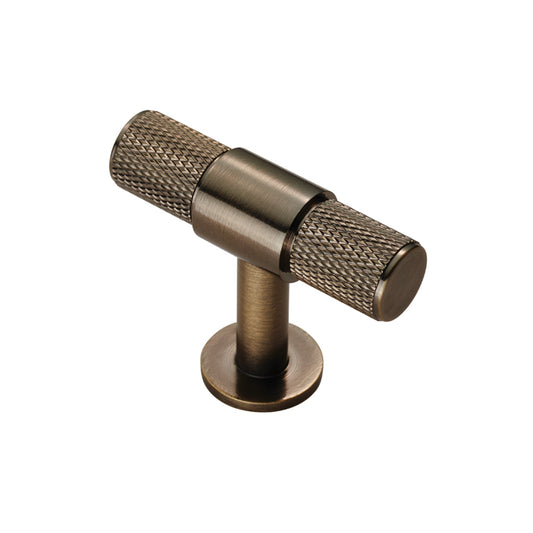

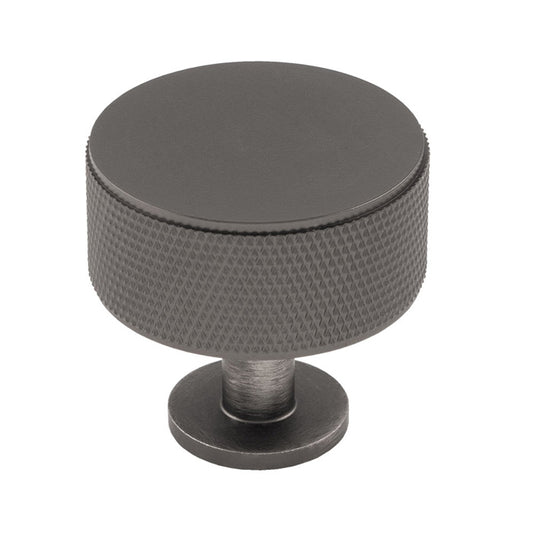


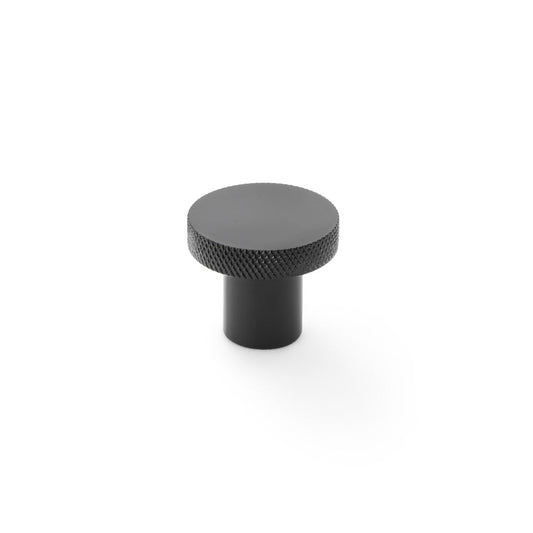
Knurled Cabinet Knobs for Kitchens and Furniture
Knurled cabinet knobs are defined by their precision-cut texture, originally developed in engineering to improve grip. In cabinetry, this detailing creates a tactile surface while introducing a distinctive visual contrast against smooth cupboard doors and drawers.
These knobs are particularly suited to kitchen cupboards, wardrobes and fitted furniture where a compact pull is preferred. The textured surface provides a comfortable grip while the compact form maintains a clean and balanced appearance across cabinetry.
Knurled cabinet knobs are often paired with matching knurled bar handles to create a consistent hardware scheme across drawers and cupboard doors, allowing the same design detail to be carried throughout the space.
Choosing Knurled Cabinet Knobs
Once you have decided on a knurled finish, the practical choice comes down to shape, size and projection. Round knobs sit neatly on smaller doors, while wider T-bar designs give the fingers more room and add a stronger horizontal line without moving to a full handle.
When comparing different designs, look beyond the finish alone. The diameter or overall width of the knob, the depth of the knurling and the amount of projection from the cabinet front all affect how substantial the fitting feels in use.
Round Knurled Knobs and T-Bar Knobs
Knurled cabinet knobs are available in more than one profile. Round knobs provide a familiar single-point grip and tend to sit neatly on smaller cupboard doors, while T-bar knobs create a wider grip and a more linear appearance in a compact format.
The choice between them is mainly about proportion and handling. A round knob can feel quieter on a small cabinet front, while a T-bar design introduces a little more visual width without moving to a full two-point handle.
Both can work within the same project where the finish and knurled pattern are closely related.
Choosing Knob Size and Projection
Knurled cabinet knob size is usually described by the diameter or overall width of the fitting. Projection is the distance the knob stands away from the door or drawer front, and it has an equally important effect on grip and comfort.
Smaller knobs can work well on compact cupboard doors, while larger diameters or wider T-bar profiles give more presence on larger fronts. A deeper projection can provide more finger clearance, but the knob should still feel proportionate to the cabinetry.
Most cabinet knobs use a single fixing point, which can make replacement straightforward. If you are changing existing hardware, check the overall footprint of the new knob or backplate so any marks around the old fixing point are properly covered.
For broader guidance on proportion across knobs and handles, see our cabinet handle sizes guide.
Pairing Knurled Knobs with Knurled Handles
Knurled knobs are often used alongside matching knurled cabinet handles so the same texture can be carried from smaller cupboard doors onto drawers and larger fronts.
A common approach is to use knobs on smaller cupboard doors and longer handles on drawers or larger doors, keeping the grip appropriate to each front while the finish still ties the room together.
Knurled Knobs Across Different Finishes
The textured surface of knurled hardware interacts particularly well with metallic finishes, as the machined pattern catches the light and highlights the detail of the design. Finishes such as brass cabinet knobs, blackened metals and brushed finishes all emphasise the depth of the knurled pattern while maintaining a refined appearance.
Matt black creates a stronger graphic outline, while polished and brighter metallic finishes create more contrast between the raised and recessed parts of the pattern. Brushed and satin finishes tend to soften the effect while still keeping the texture visible.
When exact matching matters, choosing knobs and handles from the same range or manufacturer is usually the safest approach because finish names can vary slightly in tone and sheen.
Where Knurled Cabinet Knobs Work Best
Knurled knobs are particularly useful where the cabinetry itself is simple and the hardware is intended to introduce a finer layer of texture. Flat-panel kitchen doors, shaker cabinetry, wardrobes and fitted storage can all suit this type of hardware.
They can also work well on freestanding furniture where a compact fitting is preferred. Because the texture already creates visual interest, the knob does not need to be oversized to make an impact.
Where the room already contains a large amount of strong surface texture, a smoother knob may create a calmer result.
Material, Texture and Everyday Use
Some knurled cabinet knobs are manufactured from solid brass, while others use different metal bases with a decorative finish applied to the surface. The individual product specification should always be checked where material is important to the project.
The feel of the knurling also varies between designs. Some patterns are fine and subtle, while others are deeper and more pronounced. That affects both the appearance and the grip, particularly on frequently used cupboard doors and drawers.
Choosing Knurled Knobs as Part of a Wider Scheme
Against a smooth cabinet front, the texture gives a small knob more presence than its size might suggest. That makes it easy to use on smaller doors while matching handles take care of larger drawers and cupboards.
For a wider selection of styles and finishes, explore our full range of cabinet knobs, which includes both classic and contemporary designs suited to cupboards, drawers and fitted furniture.
If you are comparing knobs with other hardware types, our guide to choosing cabinet handles provides a broader overview of the main options.